Media outlets shared positive news in April that FIFA would maintain its ban on gambling advertising inside stadiums at this year’s World Cup, a long running position of the football governing body.
Many US stadiums have commercial partnerships with gambling companies but under FIFA’s “clean venue policy” any evidence of those branding deals would be covered up during World Cup matches.
It looked like a public health victory, but it wasn’t. If you dug into the detail, the policy was not about reducing exposure to gambling advertising but about ensuring only FIFA’s commercial partners could advertise inside stadiums.
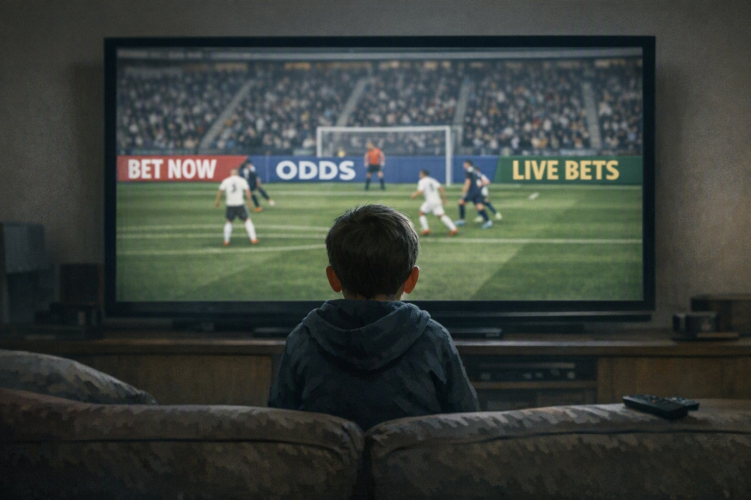
Sure enough, FIFA announced its partnership with the betting company Betano in May, and its ads have regularly been shown across stadiums during games.
Betano became the first betting operator to partner with FIFA at the 2022 World Cup as a regional sponsor for Europe. Four years later, Betano’s relationship with FIFA has expanded, and its ads are prominent inside World Cup stadiums. Last week, the Premier League club Tottenham also announced a new three-year partnership with the company.
Kalshi, branded a “prediction market” but essentially a gambling exchange, has also secured advertising through a partnership with another FIFA sponsor, meaning their logo is also visible inside stadiums.
This year’s World Cup is already becoming the most heavily commercialised gambling event in football history. The tournament is the longest and largest ever, with 104 matches over 39 days, 40 more games overall, while FIFA has for the first time authorised bookmakers to stream matches in selected territories.
More matches mean more opportunities to bet and more opportunities for gambling companies to advertise. Taken together, this year’s tournament is likely to see the highest levels of associated gambling harm in history.
In the UK alone, around 1.4 million adults are already experiencing gambling harm, along with tens of thousands of children.
Millions of children will be watching this tournament, all of them having betting normalised to them so they can be the next generation that’s harmed.
England manager Thomas Tuchel requested parents let their children stay up late to watch the epic last-16 game against Mexico.
Thanks to FIFA, having a tired child is not the only worry parents must have about their children watching games at this year’s tournament.
For media queries please contact Nick Harvey on [email protected]